
Own YourOwn your day, your drive, your strength, your confidence.
Feel like yourself again.
Clinician-led testosterone therapy built around your labs, your symptoms, and your goals.

Restoring Balance. Optimizing Performance.
As men age, testosterone levels naturally decline — often beginning as early as their 30s, at a rate of approximately 1–2% per year. This gradual hormonal shift can lead to persistent fatigue, decreased muscle mass, brain fog, mood changes, low libido, and a diminished sense of drive and motivation.
At RevitaLine Health in Farmingdale, NY, we provide medically supervised testosterone replacement therapy (TRT) for men on Long Island and throughout the NYC metro area. Our goal is to restore optimal hormone balance, improve vitality, and help you reclaim the energy and performance you've been missing.
Unlike one-size-fits-all hormone clinics, every RevitaLine protocol begins with a comprehensive lab panel — including total testosterone, free testosterone, estradiol, LH, FSH, PSA, and metabolic markers — before anything is prescribed. Your treatment is built around your biology, not a template.
Book Your VisitIs Low T Holding You Back?
Testosterone begins declining after 30 — roughly 1–2% per year. By their 40s, many men on Long Island and across the country are experiencing clinically low testosterone without ever knowing it. Most mistake the symptoms for burnout, stress, or simply getting older. They're not. Low testosterone is a diagnosable medical condition — and it's treatable.
No amount of sleep feels like enough. You push through the day but there's nothing left for the things that matter.
Shortened temper, anxiety, low drive, or a persistent flatness that's hard to explain — and harder to shake.
Muscle becomes harder to build and easier to lose, even when you're training consistently.
Fat accumulates around the midsection despite diet and exercise — a direct result of hormonal imbalance.
One of the most common and underreported symptoms of low T — affecting both desire and performance.
Sharp thinking has been replaced by forgetfulness, slow processing, and difficulty staying on task.
A quiet erosion of the drive and self-assurance that used to come naturally.
Disrupted sleep patterns and waking without feeling rested — both directly linked to low testosterone levels.
If three or more of these sound familiar, your testosterone levels may be the reason. A simple blood panel at our Farmingdale, NY clinic can give you a clear answer.
Take the Low-T Quiz →Some things can’t be
mailed to you.
We’ll ship the medication if that’s easier. What can’t be shipped is full cardiometabolic and preventative care — the workup before you start, the markers tracked after, and the clinicians reading both.
Board-Certified Providers · Independently Owned · Farmingdale, NY
Benefits of Optimized Testosterone
Most men undergoing properly supervised testosterone replacement therapy at RevitaLine report meaningful improvements across multiple areas of health and performance — often within the first 4–8 weeks. Results continue to compound over 3–6 months as hormone levels stabilize and your body responds to optimized testosterone.

Increased Energy & Stamina
Feel revitalized and consistent throughout your day. Most patients report a noticeable improvement in sustained energy levels within the first few weeks of treatment — no more midday crashes.

Improved Muscle Strength & Fat Loss
Testosterone is the primary driver of lean muscle development and fat metabolism in men. Optimized levels support better body composition and reduction of stubborn abdominal fat.

Sharper Focus & Clarity
Restore the mental sharpness and cognitive drive you remember. Men on TRT commonly report improved decision-making, faster processing, and relief from brain fog.

Libido & Sexual Function
Low testosterone is one of the leading causes of decreased libido in men over 30. Restoring optimal levels produces significant improvements in desire, function, and confidence.
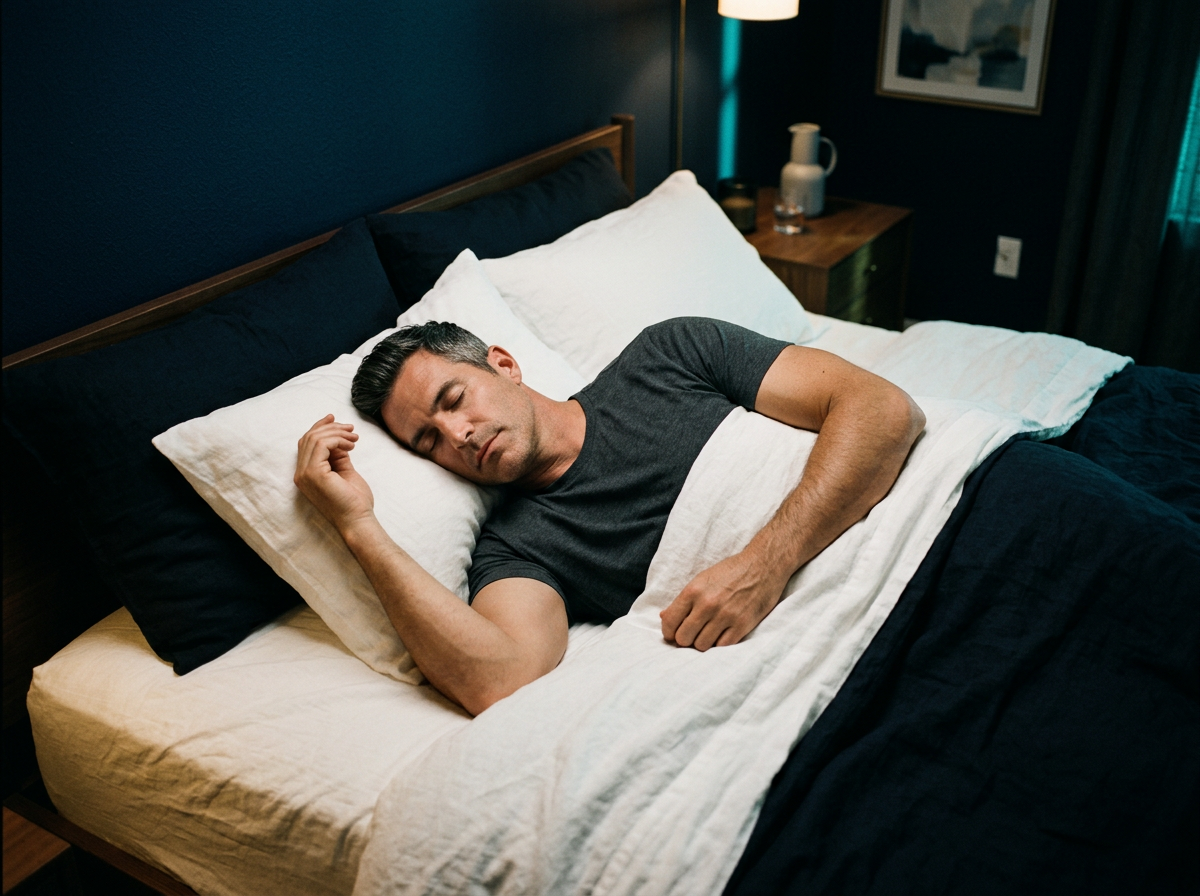
Better Sleep & Recovery
Testosterone plays a critical role in sleep quality and overnight physical recovery. Optimized levels support deeper, more restorative sleep and faster muscle repair.
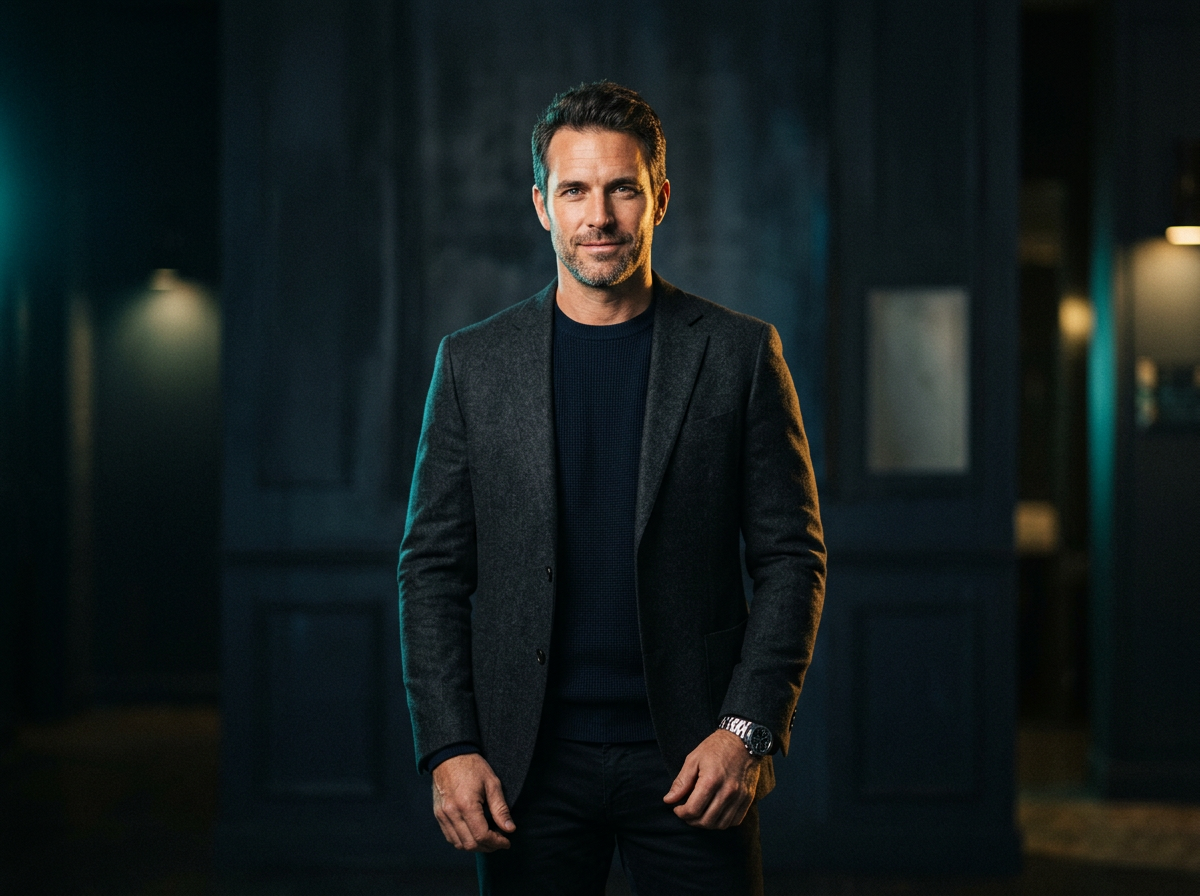
Mood & Confidence
Men on properly supervised TRT frequently report reduced irritability, improved emotional stability, and a renewed sense of purpose and drive.
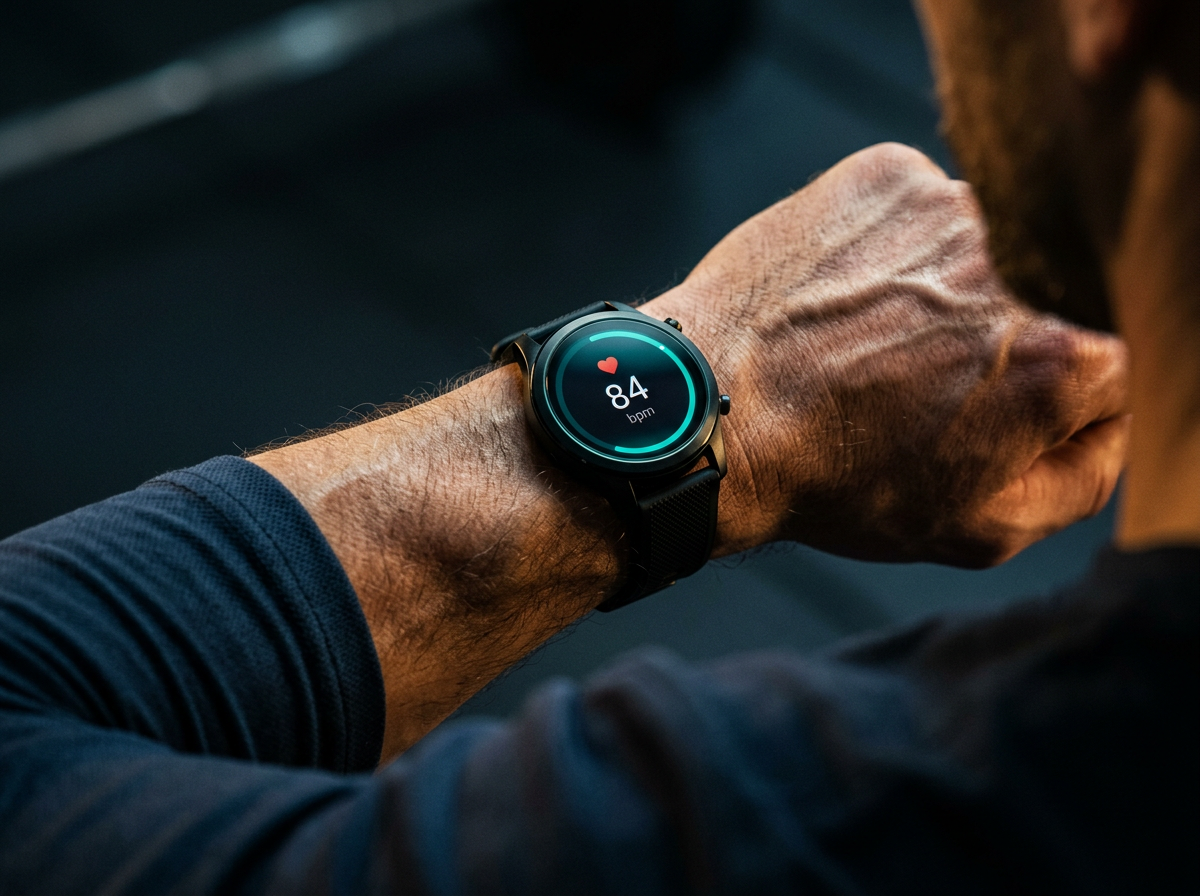
Cardiovascular & Metabolic Health
Emerging research supports the role of optimized testosterone in supporting healthy cholesterol levels, insulin sensitivity, and cardiovascular function.
Every benefit listed above is supported by clinical research and monitored through regular lab work at our Farmingdale, NY clinic — ensuring your levels stay optimized safely over time.
Simple. Transparent. Clinical.
Four steps from your first conversation to feeling like yourself again — backed by labs and ongoing provider oversight.
Labs First
Comprehensive hormone and metabolic panel — total & free T, estradiol, LH, FSH, PSA, CBC, and more. We read the whole picture.
Initial Consultation
Once your labs return, your provider reviews results, symptoms, health history, and goals before anything is prescribed.
Personalized Protocol
Injections, topicals, or adjunct therapy — selected and dosed for your biology. Not a template.
Ongoing Monitoring
Follow-up labs every 8–12 weeks, dose adjustments, and direct provider access. We don't disappear after the first script.
Your Well-Being Is Our Priority.
All TRT services at RevitaLine are provided under qualified medical oversight. We follow evidence-based hormone therapy protocols and conduct regular lab testing to ensure your levels remain within optimal ranges.
Follow-up labs occur every 8–12 weeks during optimization. Once stable, monitoring is typically every 3–6 months. Telehealth follow-ups available.
Book Your VisitEverything you want to know before your first visit.
We believe informed patients get better outcomes. These are the questions we hear most often — answered directly.
Book Now